Waiting for the EU’s annual Enlargement reports on Bosnia and Herzegovina feels each year like waiting for the results of a school test from a student who always sits in class, keeps promising to study and do the homework, but in the end always hands in a test sheet almost empty. In the meantime, almost all other students have moved to another classroom, working on advanced subjects, and some are even about to graduate soon. In the meantime, even the teacher rarely comes by, annoyed and frustrated, but also questioning whether he did his job of teaching the student properly. At the end of each school day, both the student and the teacher simply do their after-school business as usual, only rarely reminded that at the beginning of the school career both promised to be diligent and strive together to achieve the best results. They simply don’t care.
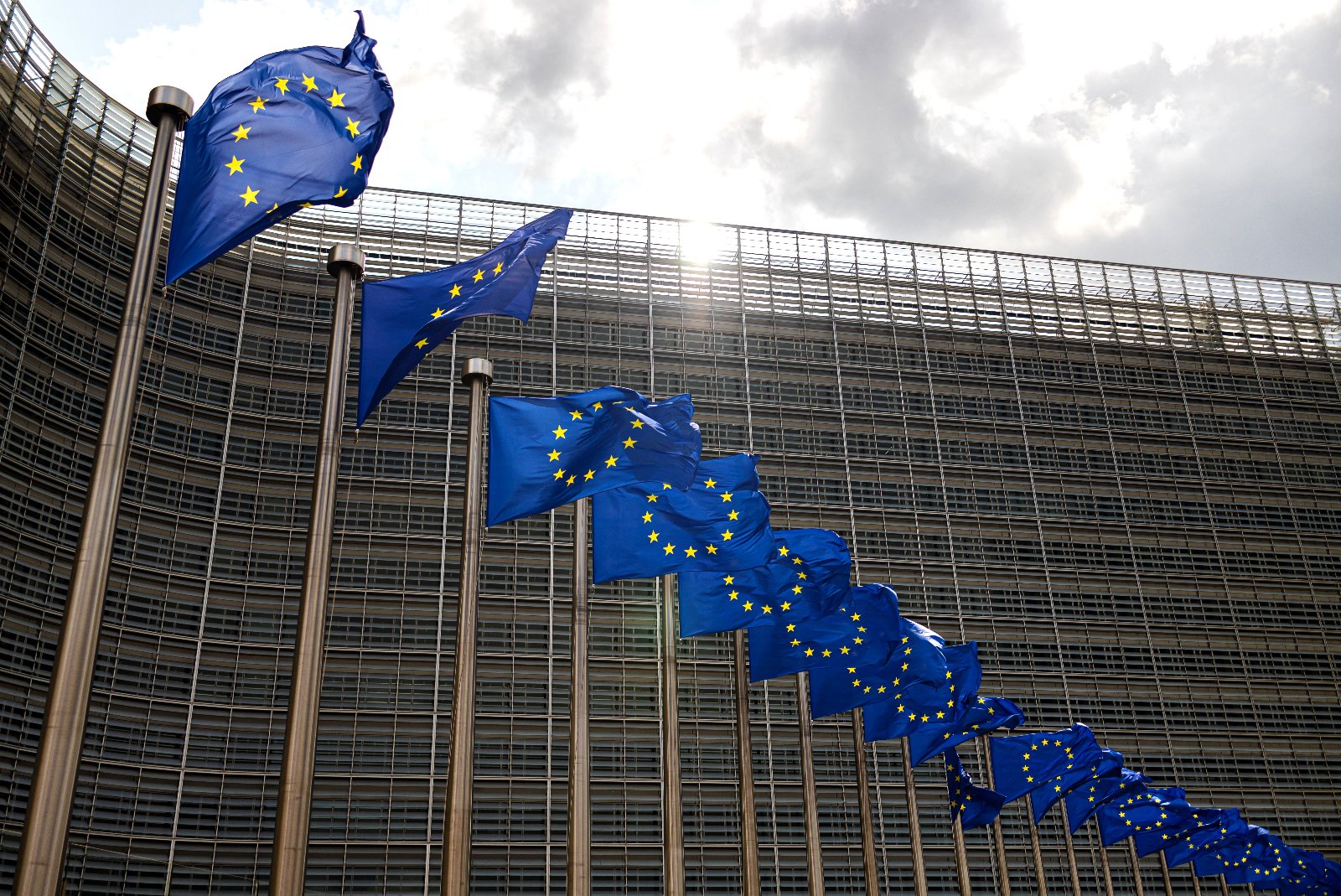
The EU’s annual report on Bosnia and Herzegovina is out. This year, it reads like an ultimate disaster, causing severe pain to read. It reads like a full-scale report on the failure of Bosnian institutions and the political class to deliver even the minimum in terms of EU-related reforms. “Increasing disengagement,” “severe political tensions,” “political posturing, divisive rhetoric, and anti-EU narratives increased,” and “historical revisionism, genocide denial, and glorification of war crimes” are just a few expressions the EU Commission chose to describe the overall political situation in the country. In the technical part, the wording is the same – “delayed submission,” “governance is increasingly unsatisfactory,” and over and over again, like big red signs, “limited progress” and “no progress.”
A sober political analysis of the past year offers the same picture of a political deadlock caused by constant tensions among Banja Luka, Sarajevo, and Mostar. Milorad Dodik’s SNSD, partly rehabilitated by the Trump administration and the lifting of sanctions against Dodik and his allies, felt emboldened to continue his bulldozer-style politics against anything even close to a functional state in Bosnia. By celebrating Mladić, maintaining ties to Moscow, and humiliating some representatives of the international community, Dodik repeatedly proved himself a skillful bandit among Balkan politicians, with no scruples when it comes to protecting his power, wealth, and privileges. The coalition in Sarajevo – the so-called Trojka – never managed to translate its rhetorical pragmatism into concrete reforms. SDA under Bakir Izetbegovic and HDZ with Čović as its headmaster just did what they have been doing for almost decades – play with ethnic fears and mobilize the rest of those citizens who haven’t given up on Bosnian politics out of frustration. The transatlantic rift, caused by Trump’s transactional turn in the Balkans and the EU’s inability and unwillingness to step up its game, left Bosnia in international limbo. The fact that many in Brussels and EU member-state capitals have become increasingly frustrated with Bosnia, and that many seem to no longer care, adds to the frustration.
The result is a complete standstill in EU integration, one with no promise of change anytime soon. Bosnian citizens are the biggest victims. Yes, so many of them didn’t show up in the general elections in October, leading to the lowest voter turnout in the country’s history. The ethnopolitical brothers in arms, SDA, HDZ, and SNSD, scored a victory with only a fraction of the votes and brought the country back to the political setup from the beginning of the 1990s. There should be no mistake – the new ethnopolitical government will not deliver on EU reforms, not tomorrow, not in one year, not in two years, and not until the end of the mandate. When Bosnia goes to elections next time in 2030, it will be almost 30 years after the EU Summit in Zagreb in 2020, when the region embarked on the EU train. It is frustrating and almost painful to write these lines and spell out the truth.
Yet we should not forget all those citizens of Bosnia, especially young people, who are investing so much and fighting for a better, different Bosnia. My colleagues from Karton revolucija, dear friends from ACT Foundation, KVART in Prijedor, and so many citizens in Bosnia fighting for justice, for Bosnian rivers and mountains, and against corruption. Many in the diaspora also keep up the fight and will never give up on their home country. The regional scene is changing. Students in Serbia have demonstrated that change is possible. Milorad Dodik, enfant terrible of Bosnian politics, will feel the wind of change, both from Serbia and across the Atlantic after the democratic tsunami against Trump and his way of doing politics.
As frustrated as I am with the EU report this year, so many Bosnians are not ready to give up on the notion of a possible normal and European country named Bosnia and Herzegovina. We must not allow the last remnants of the real utopia of a different and better Bosnia to be ruined.