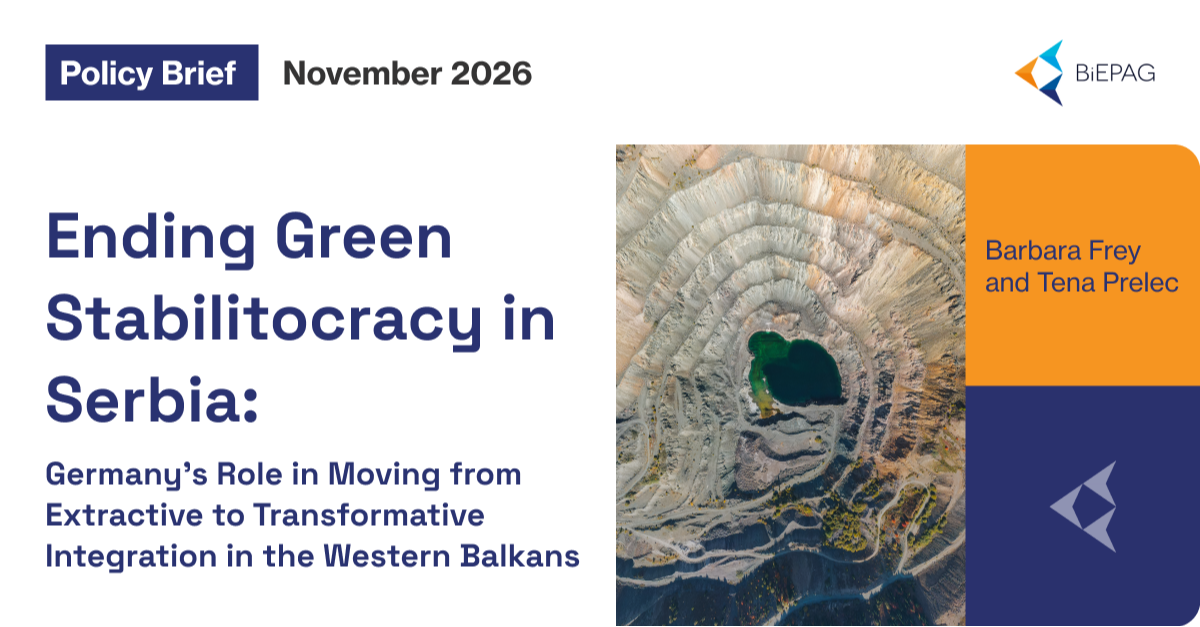
Europe’s demand for critical raw materials presents a choice between two models of integration within the broader framework of EU enlargement. We argue that extractive integration incorporates the Western Balkans into European supply chains while reinforcing existing economic hierarchies and governance vulnerabilities, effectively treating the region as a resource frontier rather than a future member state.
Transformative integration, on the other hand, aligns the EU enlargement process with the strategic demand to advance the green transition, economic upgrading, and democratic accountability. Germany’s choices – as Europe’s largest economy amid growing industry demands – will help determine which model prevails.
While phased economic integration before full EU membership is already happening, its potential to further the enlargement agenda depends on the political and institutional conditions under which it unfolds. For economic integration to genuinely advance enlargement, the extractive model must make space to a transformative one.
Democratic changes in Serbia – a country prominently characterised by ‘green stabilitocracy’ in recent years – provide an ideal opening to make that shift.